


| Name | Value |
|---|---|
| Date of Issue | October 15, 2025 |
| Year | 2025 |
| Quantity | 1,980,000 |
| Denomination |
 PERMANENT™ (P). PERMANENT™ (P).Current monetary value: $1.24. |
| Postal Administration | Canada |

| Condition | Name | Avg Value | Actions |
|---|---|---|---|
| No Prices for stamp | |||

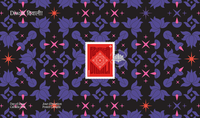

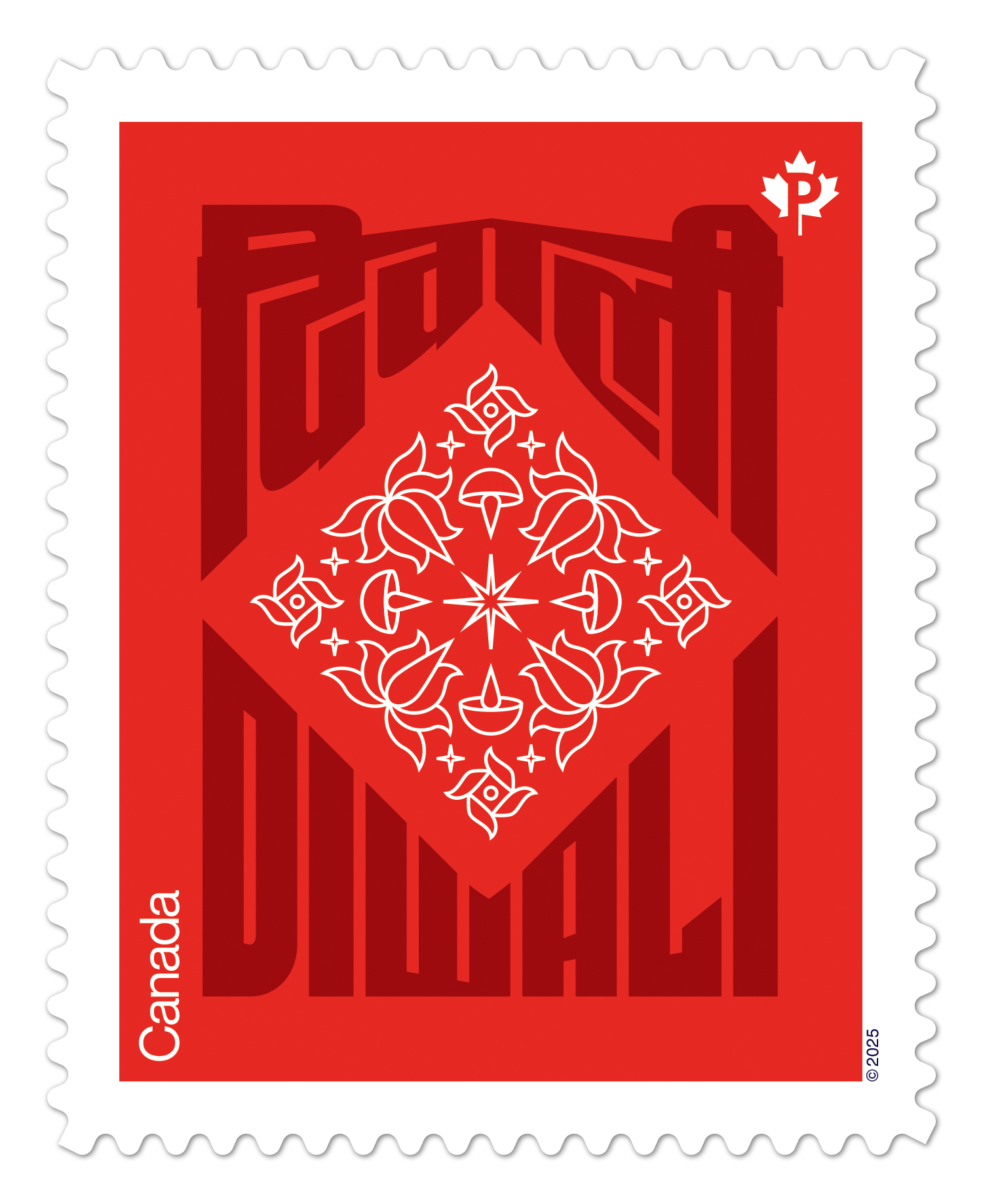
This stamp heralds the arrival of Diwali, one of the largest, most popular and most widely celebrated festivals in India – and one observed by Hindus, Sikhs, Buddhists, Jains and other communities in Canada and around the world. Diwali celebrates the triumph of good over evil and light over darkness.
In celebration of Canada’s cultural diversity, this stamp heralds the arrival of Diwali, one of the largest, most popular and most widely celebrated festivals in India – and one observed by Hindus, Sikhs, Buddhists, Jains and other communities in Canada and around the world.
The Diwali stamp is one of several annual issues that mark events of importance to Canada’s culturally diverse population. The others include Eid, Hanukkah and Christmas.
Diwali is a multiple-day (often five-day) celebration that usually falls in October or November. The timing of Diwali day itself coincides with the arrival of the new moon. This year, it falls on October 20.
Also called the Festival of Lights, Diwali’s main theme is the triumph of light over darkness and good over evil.
Displays of fireworks, the exchanging of gifts between family members and friends, and donations to those in need are often part of the celebrations.
It should be noted that different regions and communities celebrate aspects of Diwali on different days and in different ways.
Auspicious decorations feature prominently during the holiday to welcome guests and – for many – to invite Lakshmi, the goddess of wealth and prosperity, to bestow good fortune on those who enter.
Small clay oil lamps called diyas are often lit in rows in homes and temples or set adrift on rivers. Beautiful garlands – known as toranas – are often draped across the entrances and facades of homes and temples.
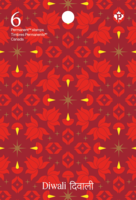
Rangoli are beautiful yet fleeting works of art that are meant to be swept or washed away. These intricate floor patterns, which have many other names in different regions of India, are a deeply meaningful part of Diwali celebrations.
The alluring designs are created in living rooms, courtyards and entranceways using grain, flower petals, coloured sand or rice, and other materials. They are believed to hold divine power.
Women traditionally practise this ancient art. In many homes in India, making floor patterns is a daily, almost meditative ritual. Designs are passed down for generations, from mother to daughter. Some date back thousands of years. Motifs range from geometric shapes to sacred or celestial symbols and auspicious animals, plants and flowers.
Some floor patterns serve as a source of food for insects, birds and other small creatures. In this way, they symbolize the charitable focus of the festival.